
20th Century Icons & Props | Casey Godrie Design & Consulancy
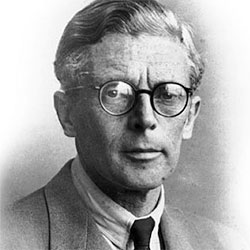
Gispen, W.H.
(Netherlands, 1890 – 1981)
1890: Willem Hendrik Gispen was born on December 7 in Amsterdam.
1910: Obtains a teaching diploma and a year later a Lower Secondary Education Certificate in French. Travels to England.
1911-1912: Stays in England. Teaches guitar and French, among other things. Becomes acquainted with the Arts and Crafts movement through publications by John Ruskin and William Morris.
1913-1915: Studied architecture at the Academy of Fine Arts and Technical Sciences in Rotterdam, with Willem Kromhout Czn. as his senior lecturer.
1916: A year before graduating, he takes over a forge on Coolschestraat in Rotterdam. He opens a studio for artistic wrought ironwork and copper working, Gispen & Co.
1918: Marries Annie Gisolf and has three children. The factory moves to Culemborg, and the family to Utrecht.
1920: Co-founder of the progressive architectural circle ‘Opbouw’ in Rotterdam.
1925: Visits the Exposition Internationale des Arts Décoratifs et Industriels Modernes in Paris. The Dutch pavilion, featuring Gispen’s work, wins a silver medal. Publishes “Het sierend metaal in de bouwkunst” (The Decorative Metal in Architecture) as part 12 of the series “The Applied Arts in the Netherlands” with Brusse publishers.
1927: Participates with his firm in the exhibition ” Die Wohnung” (The Living) in Stuttgart. There, he encounters the vanguard of architecture and design. Publishes articles on residential lighting and organizes the exhibition “Kunstlooze Utensils” ( Artless Utensils) , which he opens with a slide show.
1928: Edits the special issue of “Kunst en techniek” (Art and Technology) for the magazine “Wendingen.
” 1933: Opening of the Gispen showroom in The Hague. Gispen meets his future wife, Riek van de Griend, owner of the Amstelrode weaving mill in Ouderkerk aan de Rijn. From then on, Gispen purchases his specialty fabrics from this mill.
1942: Arrested by the German occupiers for registered resistance against the Chamber of Culture. After his release, he goes into hiding with interior architect and furniture designer Bas van Pelt in the Veluwe region. He takes up his old hobby of painting again and exhibits regularly from 1945 onwards. 1945: Appointed member of an advisory committee for government policy on industrial design.
1948: Publishes the book “Schönlich van Industriële Producten” (Beauty of Industrial Products), the first Dutch-language book on industrial design.
1949-1953: Leaves the Gispen factory and starts a home-based office for interior architecture and industrial design. His experiment with a small ceramics factory he sets up fails. 1950: Organizes the Holland Fair exhibition at the Gimbels department store in Philadelphia, USA, together with architect Gerrit Rietveld. 1950-1953: Teaches weekend courses in industrial design at the academy in The Hague.
1951: Participates in the Design Congress (London), organized by the Council of Industrial Design (COID). Gives a lecture on Industrial Design in Holland .
1951–1957: Writes design reviews for Elseviers Weekblad and occasionally for Het Vaderland and De Telegraaf.
1951: Co-organizer of the exhibition “Kunst en Kitsch” (Art and Kitsch) , The Hague Municipal Museum. Writes a catalogue introduction.
1953: Color consultant for the Vettewinkel paint factory, Amsterdam. Collaborates on the film “Magie der kleuren” (Magic of Colors) , together with anthroposophist and color psychologist W.F. Zeylmans van Emmichoven.
1955: Honorary exhibition at The Hague Municipal Museum on the occasion of his 65th birthday.
1960: Resigns as a designer.
1963–1965: Commissions a number of bungalows of his own design in La Formaca, a hamlet on the Spanish Costa Brava, one of which he occupies himself.
1970: Studied etching under graphic artist Dirk van Gelder at the Royal Academy of Fine Arts in The Hague. Regularly exhibits etchings and silkscreens.
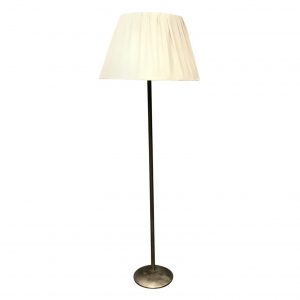
1980: Guest of honor at the exhibition “Gispen Lamps 1916-1949,” Stedelijk Museum, Amsterdam.
1981: Died after a short illness on May 10 in The Hague.
1890: Willem Hendrik Gispen was born on December 7 in Amsterdam.
1910: Obtains a teaching diploma and a year later a Lower Secondary Education Certificate in French. Travels to England.
1911-1912: Stays in England. Teaches guitar and French, among other things. Becomes acquainted with the Arts and Crafts movement through publications by John Ruskin and William Morris.
1913-1915: Studied architecture at the Academy of Fine Arts and Technical Sciences in Rotterdam, with Willem Kromhout Czn. as his senior lecturer.
1916: A year before graduating, he takes over a forge on Coolschestraat in Rotterdam. He opens a studio for artistic wrought ironwork and copper working, Gispen & Co.
1918: Marries Annie Gisolf and has three children. The factory moves to Culemborg, and the family to Utrecht.
1920: Co-founder of the progressive architectural circle ‘Opbouw’ in Rotterdam.
1925: Visits the Exposition Internationale des Arts Décoratifs et Industriels Modernes in Paris. The Dutch pavilion, featuring Gispen’s work, wins a silver medal. Publishes “Het sierend metaal in de bouwkunst” (The Decorative Metal in Architecture) as part 12 of the series “The Applied Arts in the Netherlands” with Brusse publishers.
1927: Participates with his firm in the exhibition ” Die Wohnung” (The Living) in Stuttgart. There, he encounters the vanguard of architecture and design. Publishes articles on residential lighting and organizes the exhibition “Kunstlooze Utensils” ( Artless Utensils) , which he opens with a slide show.
1928: Edits the special issue of “Kunst en techniek” (Art and Technology) for the magazine “Wendingen.
” 1933: Opening of the Gispen showroom in The Hague. Gispen meets his future wife, Riek van de Griend, owner of the Amstelrode weaving mill in Ouderkerk aan de Rijn. From then on, Gispen purchases his specialty fabrics from this mill.
1942: Arrested by the German occupiers for registered resistance against the Chamber of Culture. After his release, he goes into hiding with interior architect and furniture designer Bas van Pelt in the Veluwe region. He takes up his old hobby of painting again and exhibits regularly from 1945 onwards. 1945: Appointed member of an advisory committee for government policy on industrial design.
1948: Publishes the book “Schönlich van Industriële Producten” (Beauty of Industrial Products), the first Dutch-language book on industrial design.
1949-1953: Leaves the Gispen factory and starts a home-based office for interior architecture and industrial design. His experiment with a small ceramics factory he sets up fails. 1950: Organizes the Holland Fair exhibition at the Gimbels department store in Philadelphia, USA, together with architect Gerrit Rietveld. 1950-1953: Teaches weekend courses in industrial design at the academy in The Hague.
1951: Participates in the Design Congress (London), organized by the Council of Industrial Design (COID). Gives a lecture on Industrial Design in Holland .
1951–1957: Writes design reviews for Elseviers Weekblad and occasionally for Het Vaderland and De Telegraaf.
1951: Co-organizer of the exhibition “Kunst en Kitsch” (Art and Kitsch) , The Hague Municipal Museum. Writes a catalogue introduction.
1953: Color consultant for the Vettewinkel paint factory, Amsterdam. Collaborates on the film “Magie der kleuren” (Magic of Colors) , together with anthroposophist and color psychologist W.F. Zeylmans van Emmichoven.
1955: Honorary exhibition at The Hague Municipal Museum on the occasion of his 65th birthday.
1960: Resigns as a designer.
1963–1965: Commissions a number of bungalows of his own design in La Formaca, a hamlet on the Spanish Costa Brava, one of which he occupies himself.
1970: Studied etching under graphic artist Dirk van Gelder at the Royal Academy of Fine Arts in The Hague. Regularly exhibits etchings and silkscreens.
1980: Guest of honor at the exhibition “Gispen Lamps 1916-1949,” Stedelijk Museum, Amsterdam.
1981: Died after a short illness on May 10 in The Hague.
BeBoB was founded with a focus on recycling and started as a foundation, not profit-based.
For almost 40 years, it has specialised in collecting and selling midcentury design, focussing on the right matches more than how to get the best profit.
BeBoB charges reasonable prices for vintage and collector’s items.
Vintage Prices are approximately 35% to 65% of the new-to-order price, if items are still new in production. If not anymore in production they become collectibles.
Collectibles are also the original pieces from the design period of the items, which are still in production and are more expensive, but often a good investment out of scarcity.
BeBoB charges reasonable prices for vintage and collector’s items.

Useful Links
Quick Links
Contact Us
- Address: 1976 CV IJmuiden Industriestraat 42, Netherlands
- Address: Amsterdam, Amstel, Netherlands
- Address: Zandvoort, Dune Area, Netherlands
- Address: Breda, Centre, Netherlands
- Email: info@bebob.eu
© 2026 BeBoB Design, All rights reserved. Created & Managed By Webxplore Technologies
Prices for all items are all inclusive, without extra VAT or VAT specification. All in is Total Consumer Price, without extra taxes.