
20th Century Icons & Props | Casey Godrie Design & Consulancy

Breuer, Marcel
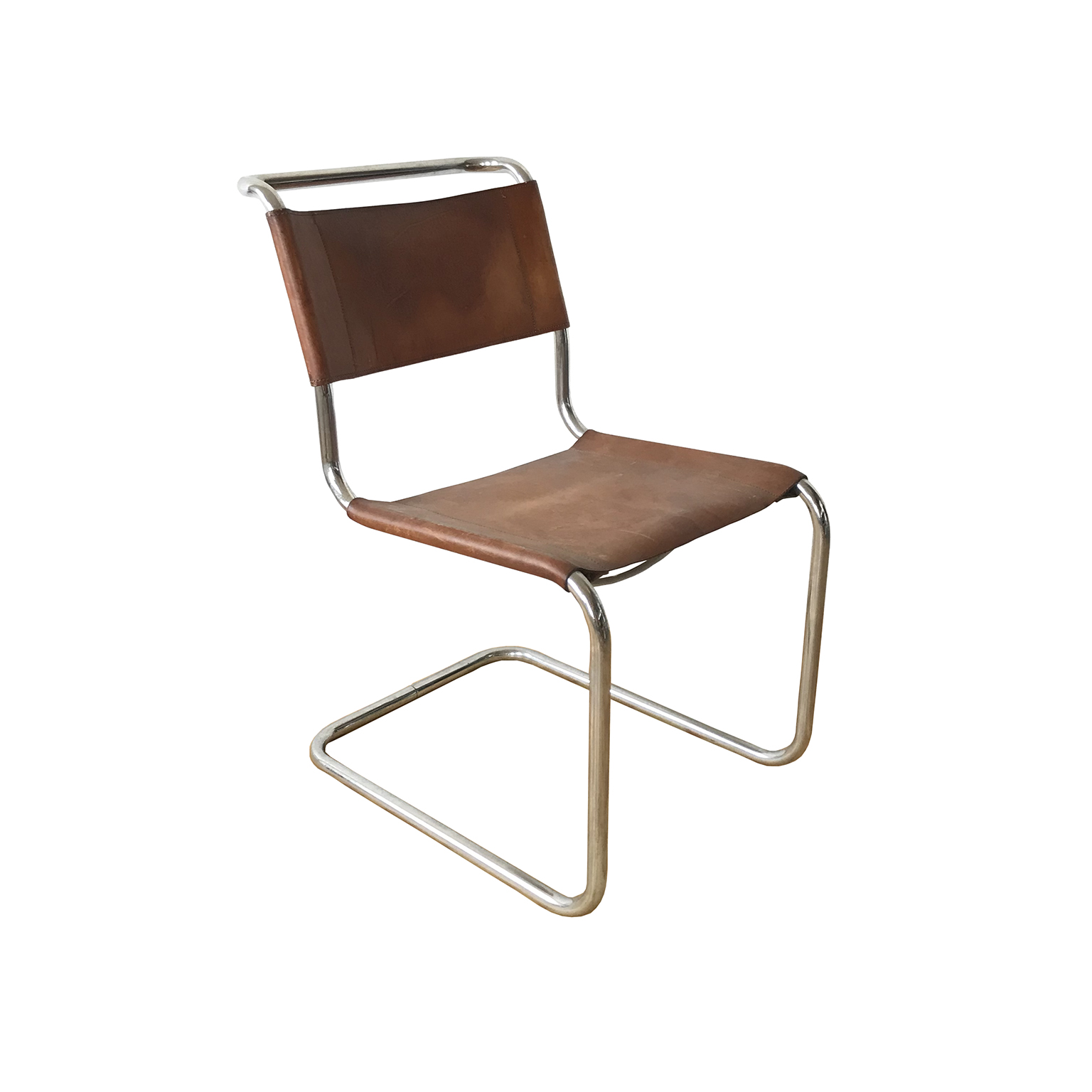
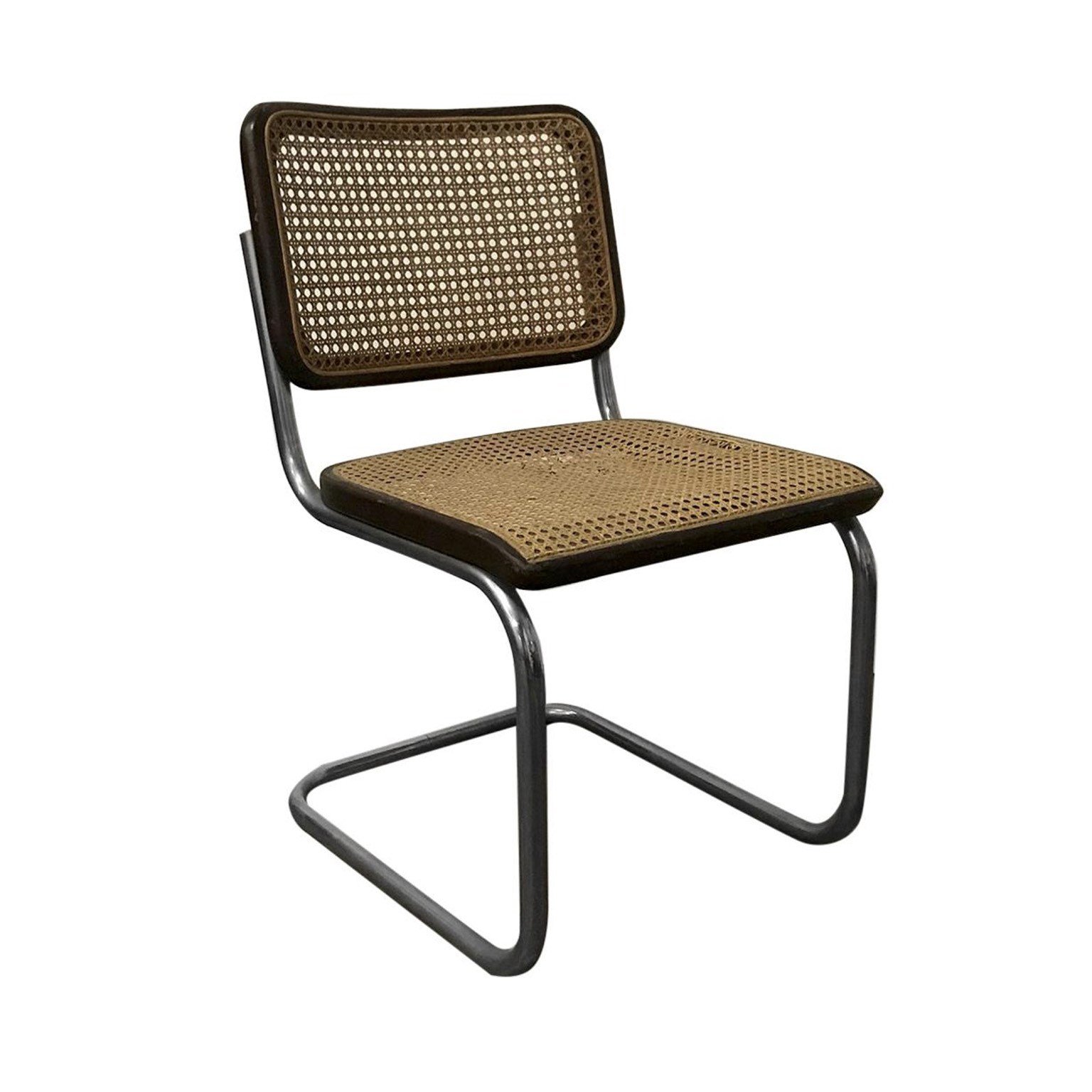
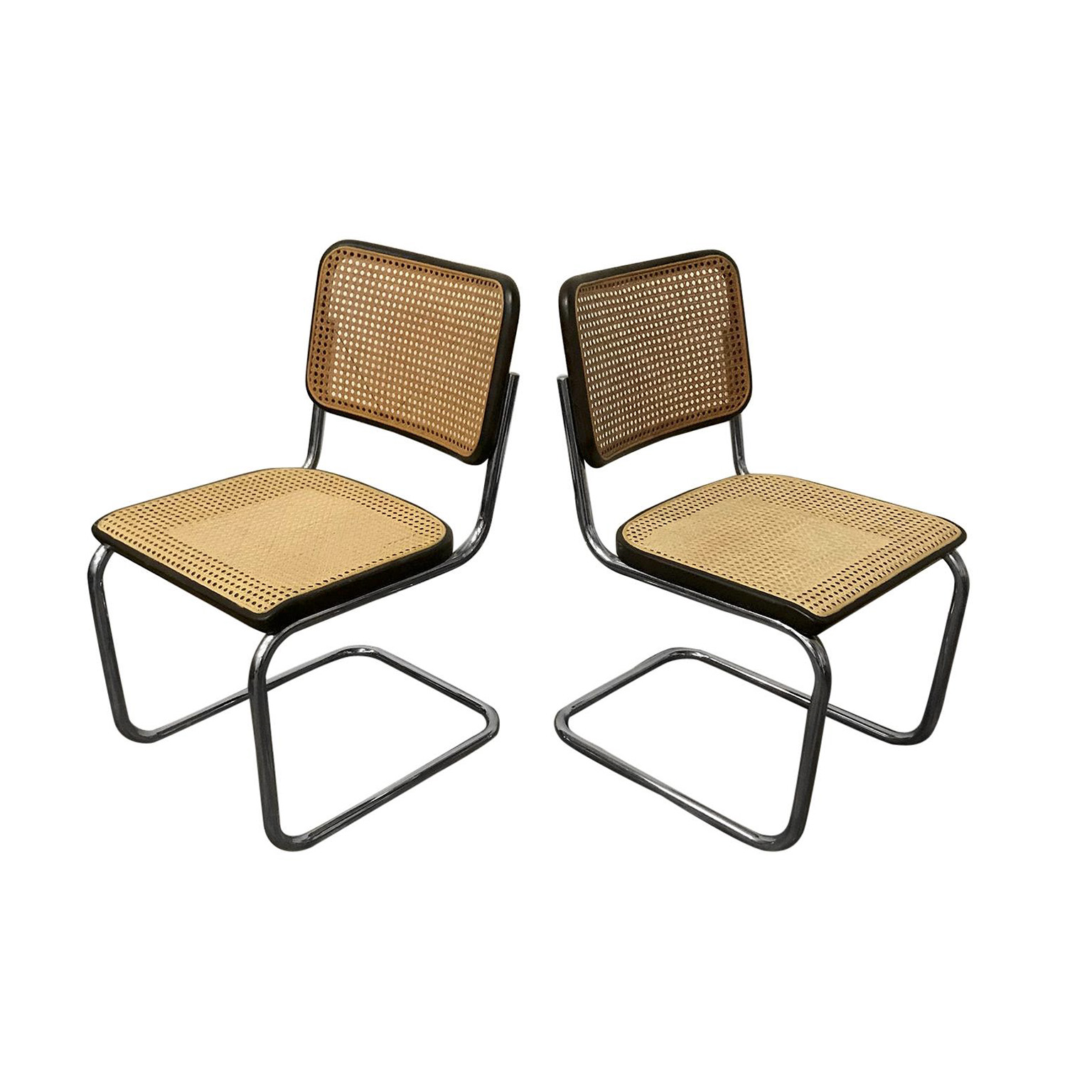
Marcel (Lajos) Breuer Born: May 21, 1902, Pecks, Hungary Died: July 1, 1981, New York. Architect and designer Breuer came from a mining region and went to study art in Vienna after winning a scholarship. Dissatisfied with this school, he decided to work at a Viennese architectural firm. Marcel Breuer joined the Bauhaus in 1920, where he was a student and teacher until 1928. There he obtained his master’s degree in carpentry. African Chair Slatted chair. After his studies, he worked for a while in an architectural firm in Paris, returning a year later to teach at the Bauhaus. In 1923, the Bauhaus organized its first major exhibition, the centerpiece of which was an experimental house designed by the painter Georg Muche. This “Haus am Horn” (House on the Horn) was one of the first prototypes of a house that could be made from mass-produced components. The simple construction consisted of a square steel and concrete skeleton with a central living room complete with a skylight, surrounded by other rooms. It exuded a spirit of functionality; each room was built for a specific purpose. Marcel Breuer’s kitchen was futuristic, with a continuous countertop and cabinets both above and below. Inspired by the shapes of bicycle handlebars, he designed his most famous design, the Wassily B3 armchair, in 1925. This chair was also made and designed for Wassily Kandinsky. The B32 by designer Marcel Breuer has been in Thonet’s catalog since 1930 and, in countless versions, remains a very popular steel chair. It consists of chromed steel and cane within a bentwood frame. The concept allows the materials to speak for themselves in a very honest way; the straight steel is more comfortable and has a more natural feel than Mies van der Rohe’s sweeping curve. For those familiar with Breuer’s other work, originating from the De Stijl movement, Thonet’s own contribution to the design is undeniable. The concept of interchangeable semi-finished products forms the basis of the entire concept. The back and seat are available separately. Breuer started his own architectural firm in Berlin in 1928, which he was forced to close after three years due to the recession. Marcel Breuer then traveled to France, Spain, Greece, and Morocco. The following year, one of his designs was realized in Wiesbaden, and later he designed another furniture house in Zurich. Two years later, Breuer collaborated with Alfred and Emil Roth, with whom he designed apartments in Zurich. In 1935, Breuer was forced to move to London to flee the Nazis because of his Jewish-Hungarian descent. In London, he worked in partnership with the architect F.R.S. Yorke, with whom he designed and built several projects.
Commissioned by Jack Pritchard’s Company Isokon, Breuer designed several pieces of furniture inspired by Alvar Aalto. In 1937, Marcel Breuer emigrated to America, where he served as professor of architecture at Harvard University for a time.Together with Walter Gropius, he ran an architectural firm in Massachusetts. In 1939, Breuer and Gropius designed the Pennsylvania Pavilion at the New York World’s Fair. Besides several other houses, they also jointly designed Gropius’s own house. In 1941, Marcel Breuer founded his own architectural firm, which he moved to New York in 1946. Between 1940 and 1950, he designed no fewer than 70 houses, including his own in 1947. In 1947, the Museum of Modern Art in New York began a traveling exhibition of his work. The MoMA also commissioned him to design a department in the museum. 1953–1958: UNESCO building in Paris and the Bijenkorf department store in Rotterdam. In 1956, Breuer also began using concrete in his designs. 1966: Whitney Museum of American Art, New York
Commissioned by Jack Pritchard’s Company Isokon, Breuer designed several pieces of furniture inspired by Alvar Aalto. In 1937, Marcel Breuer emigrated to America, where he served as professor of architecture at Harvard University for a time.Together with Walter Gropius, he ran an architectural firm in Massachusetts. In 1939, Breuer and Gropius designed the Pennsylvania Pavilion at the New York World’s Fair. Besides several other houses, they also jointly designed Gropius’s own house. In 1941, Marcel Breuer founded his own architectural firm, which he moved to New York in 1946. Between 1940 and 1950, he designed no fewer than 70 houses, including his own in 1947. In 1947, the Museum of Modern Art in New York began a traveling exhibition of his work. The MoMA also commissioned him to design a department in the museum. 1953–1958: UNESCO building in Paris and the Bijenkorf department store in Rotterdam. In 1956, Breuer also began using concrete in his designs. 1966: Whitney Museum of American Art, New York
BeBoB was founded with a focus on recycling and started as a foundation, not profit-based.
For almost 40 years, it has specialised in collecting and selling midcentury design, focussing on the right matches more than how to get the best profit.
BeBoB charges reasonable prices for vintage and collector’s items.
Vintage Prices are approximately 35% to 65% of the new-to-order price, if items are still new in production. If not anymore in production they become collectibles.
Collectibles are also the original pieces from the design period of the items, which are still in production and are more expensive, but often a good investment out of scarcity.
BeBoB charges reasonable prices for vintage and collector’s items.


Useful Links
Quick Links
Contact Us
- Address: 1976 CV IJmuiden Industriestraat 42, Netherlands
- Address: Amsterdam, Amstel, Netherlands
- Address: Zandvoort, Dune Area, Netherlands
- Address: Breda, Centre, Netherlands
- Email: info@bebob.eu
© 2026 BeBoB Design, All rights reserved. Created & Managed By Webxplore Technologies
Prices for all items are all inclusive, without extra VAT or VAT specification. All in is Total Consumer Price, without extra taxes.